
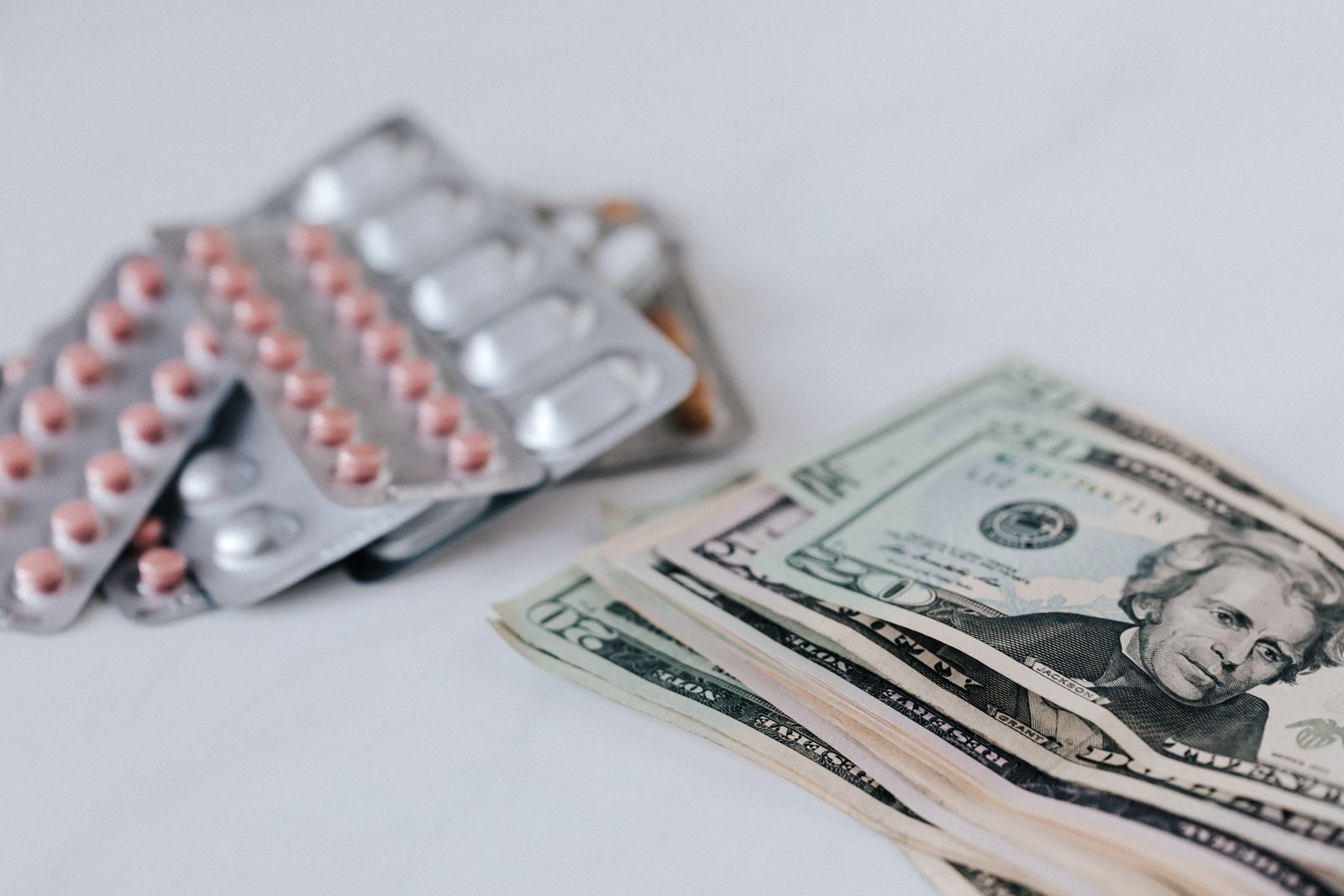
You generally cannot combine GoodRx with insurance on the same prescription fill. You pay either through your plan or with a GoodRx coupon as a cash purchase, so the real question is which costs you less. This article is for readers in the United States and is general information, not financial or medical advice.
Below are three scenarios that show how to choose, the deductible catch and special cases such as Medicare and HSAs.
The Rule
GoodRx states on its own site that its coupons cannot be used together with insurance for the same prescription. The company also claims its prices can beat insurance copays in a share of cases, up to 37 percent of the time by its figure, which is a company claim rather than an independent finding. Because a coupon sale is processed as cash, it usually bypasses your plan.
Three Scenarios
| Situation | Likely better choice |
|---|---|
| Cheap generic with a flat copay higher than the coupon price | Coupon |
| Expensive brand drug that your plan covers well | Insurance |
| Drug not covered, or you have no insurance | Coupon |
| You are close to meeting your deductible this year | Often insurance, since the claim counts toward it |
These are tendencies, not guarantees. Always compare the actual prices for your drug, dose and pharmacy.
The Deductible Catch
A cash purchase generally does not count toward your deductible or out-of-pocket maximum. NerdWallet notes that some insurers may let you submit receipts, but this varies by plan. If you take several medicines and expect to meet your deductible, price the whole year before picking the coupon every time.
Special Cases
Medicare
You may be able to skip your Medicare plan for a single fill and pay with a coupon, but you cannot use both. Check your plan’s rules, because restrictions can apply.
HSA and FSA
Prescriptions paid with a coupon are often eligible for HSA or FSA spending. Confirm with your administrator.
GoodRx Gold
Gold is an optional paid membership that may lower prices on some drugs. Weigh the fee against your expected savings.
A Four-Step Check at the Pharmacy
- Ask for the price with your insurance.
- Search the GoodRx price for the same drug, dose, quantity and pharmacy.
- Think about your deductible and any monthly or yearly cap.
- Tell the pharmacist which method you chose before they process the sale.
Medication costs are one piece of personal finance. For related reading, see Rupin Banker’s look at structured finance and the guide on building sustainable digital businesses. Always discuss medicine changes with a doctor or pharmacist.
Learn more on GoodRx’s insurance page or in NerdWallet’s explainer.
Frequently Asked Questions
Can I use GoodRx and insurance at once?
Generally no. You pick one payment method per fill.
Does a GoodRx purchase count toward my deductible?
Usually not. Some insurers may accept receipts, so ask yours.
Will my insurer see the coupon purchase?
It is processed as cash, so it typically is not submitted as a claim.
Can I use GoodRx with Medicare?
You can sometimes pay with a coupon instead of using Medicare for a fill, but not both.
Is GoodRx free?
Basic coupons are free. Gold is a separate paid tier.
Does GoodRx work outside the United States?
It is built for U.S. pharmacies and prescriptions.
Conclusion
GoodRx and insurance cannot be stacked on one prescription, so the smart move is to compare both prices each time. Coupons often win on cheap generics and uncovered drugs, while insurance helps when deductibles and covered brand drugs are involved. Tell your pharmacist your choice up front, and check with your plan about receipts.

Doris Pollard, a mesmerizing wordsmith and experienced blogger, crafts narratives that carry readers into unexplored realms. Infused with insightful perspectives and vibrant storytelling, Doris’s mastery of language captivates both hearts and minds, making an enduring impression on the literary landscape.