
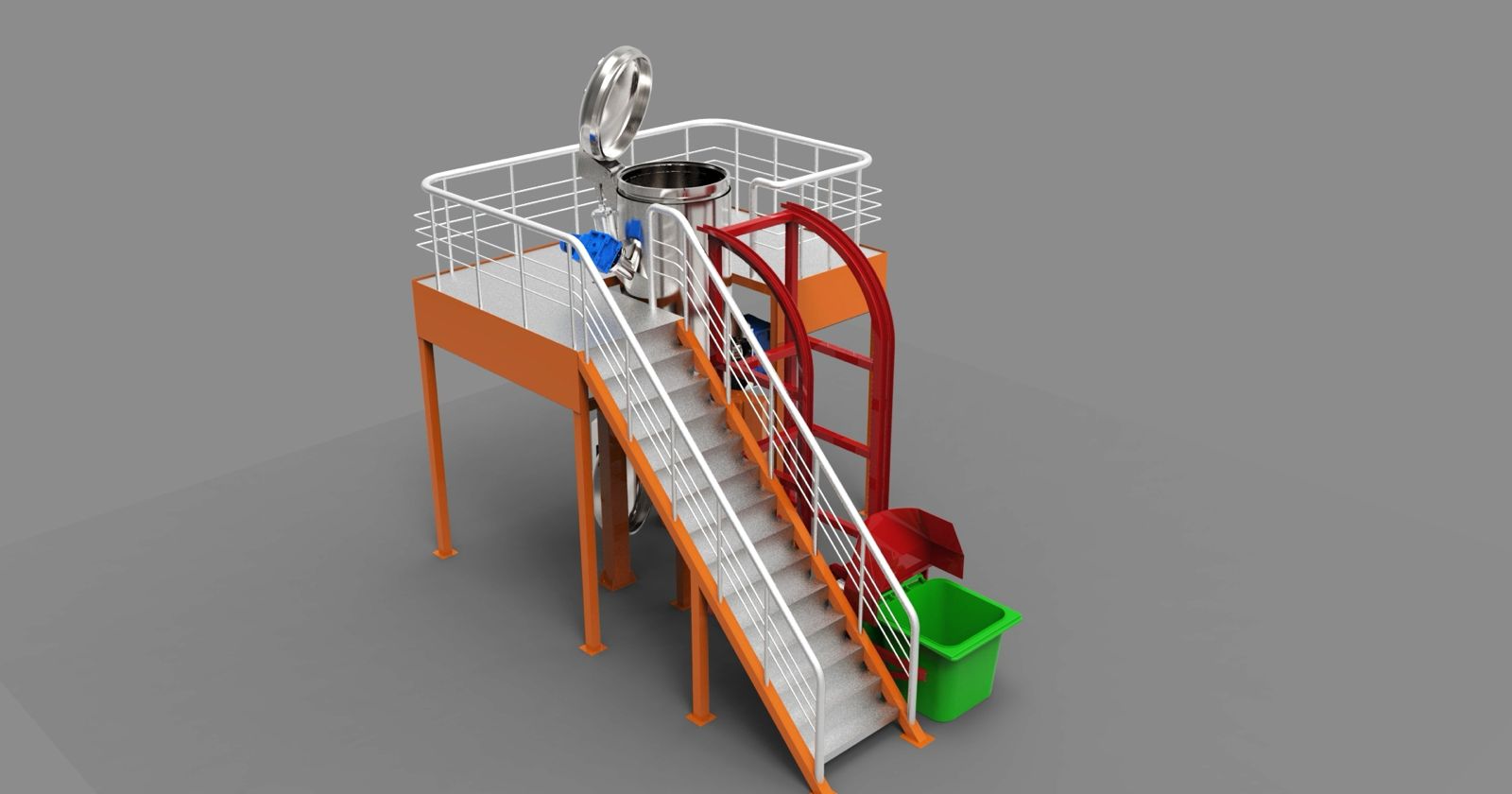
Medical waste management is often treated as a technical side issue, handled quietly in basements and outbuildings, far from the operating rooms and clinics where life-changing decisions are made. Yet the way a hospital deals with its waste says a lot about its values, priorities, and long-term vision. An integrated autoclave with shredder offers a powerful, all-in-one answer to this challenge—turning a potential liability into a demonstration of commitment to safety and sustainability.
Medico Technical Environmental Technologies captures this philosophy in its slogan: “Smart Systems. Safe Waste. Sustainable World.” Rather than seeing waste systems as an afterthought, the company designs them as strategic infrastructure—just as essential as HVAC, electricity, or digital networks.
What is an integrated autoclave with shredder?
An integrated autoclave with shredder is a single, unified unit that combines two key processes:
- Autoclaving: Sterilizing waste using high-temperature, pressurized steam.
- Shredding: Mechanically reducing the sterilized waste to small, uniform fragments.
Instead of operating separate machines and moving waste between them, an integrated system performs both steps in a coordinated cycle. Depending on design, the waste may be shredded before, after, or in alternating phases during the sterilization cycle. The goal is to ensure thorough pathogen destruction while delivering a compact, unrecognizable final product.
Key components typically include:
- A robust loading chamber
- High-efficiency steam generation and pressure control
- Powerful shredding blades capable of handling mixed medical waste
- Automated controls that monitor and log each cycle
- Safety systems to protect operators and prevent accidental exposure
Why integration matters
Using separate autoclaves and shredders can introduce complexity and risk:
- Waste may need to be transferred between machines, increasing handling and potential exposure
- More floor space is required, which is often limited in hospital basements
- Process control becomes more complicated, especially when documenting compliance
An integrated autoclave with shredder solves these issues by:
- Keeping waste within a closed system from start to finish
- Reducing the number of manual steps in the process
- Simplifying layout and installation in constrained technical rooms
- Providing unified data and control for quality assurance
This streamlined approach is particularly beneficial for facilities that handle high volumes of waste or that operate in regions with strict regulatory oversight.
Enhancing safety at every step
In healthcare, safety is not negotiable. Every piece of infrastructure must support infection control and worker protection. An integrated autoclave with shredder contributes to this in several ways:
- Reduced manual handling: Waste can often be loaded in larger batches, minimizing the number of times staff handle bags and containers.
- Sharps destruction: Needles, scalpels, and other sharp items are shredded, greatly reducing the risk of injury from discarded materials.
- Closed-system operation: Doors and seals are designed to keep steam, aerosols, and pathogens contained throughout the cycle.
- Automatic monitoring: If temperature, pressure, or time parameters fall outside safe ranges, the system can issue alarms or halt operation.
These features align perfectly with occupational health requirements and international best practices in healthcare waste management.
Environmental benefits of integrated systems
The environmental footprint of medical waste is more than a matter of landfill space. It also involves emissions, energy use, and potential contamination. Choosing a non-incineration solution such as an integrated autoclave with shredder offers several ecological advantages:
- Lower air emissions compared with incineration, which can produce pollutants if not carefully controlled.
- Efficient use of energy via optimized steam generation and heat recovery possibilities.
- Volume reduction, which translates into fewer transport trips and less landfill usage.
- Support for circular economy initiatives, such as energy-from-waste schemes where local regulations allow.
In a world increasingly focused on climate action, hospitals that embrace technologies aligned with “Smart Systems. Safe Waste. Sustainable World.” send a strong signal that they are part of the solution, not part of the problem.
Practical questions to ask when evaluating a system
When planning to install an integrated autoclave with shredder, decision-makers should consider several practical aspects:
- What is our current and projected waste volume?
This determines the capacity and number of units needed. - Where will the system be installed?
Space, access routes, and structural requirements all matter, especially in existing buildings. - How will waste flows change?
Collection routes, interim storage, and scheduling may need adjustment to maximize efficiency. - What are the maintenance expectations?
Understanding service intervals, spare parts availability, and local technical support is crucial. - How will we document compliance?
The system should support audits with clear logs of each treatment cycle.
Working with a specialized partner like Medico Technical Environmental Technologies helps ensure that these questions are addressed in detail, resulting in a solution that fits the facility rather than forcing the facility to adapt awkwardly.
Integrating with digital hospital ecosystems
Hospitals are becoming smarter, not just in clinical areas but also in their engineering and support systems. An integrated autoclave with shredder can play a role in this digital transformation:
- Remote monitoring: Supervisors can check status, alarms, and cycle statistics from a central control room.
- Data analytics: Treatment data can be analyzed to optimize scheduling, detect anomalies, or support accreditation processes.
- Integration with facility management systems: Waste treatment can be coordinated with energy management, HVAC, and other infrastructure to improve overall efficiency.
This raises the profile of waste management from a basic utility to an intelligent component of the hospital’s operational backbone.
Supporting a culture of responsibility
Technology alone cannot guarantee good outcomes. Success also depends on culture—on how people see their roles and responsibilities. Implementing an integrated autoclave with shredder can become a catalyst for broader change:
- It prompts a review of waste segregation practices, ensuring that infectious, general, and recyclable materials are correctly sorted.
- It encourages training and awareness, helping staff understand why proper waste management is essential for safety and sustainability.
- It supports transparent communication with stakeholders, from internal committees to local communities, about how the hospital is managing risk and environmental impact.
In this way, a technical project becomes a story of transformation, reinforcing the hospital’s identity as a responsible, forward-thinking institution.
Economic perspective: cost, value, and risk
Any major investment in hospital infrastructure must be justified in financial terms. An integrated autoclave with shredder delivers value across several dimensions:
- Operational savings: On-site treatment and volume reduction can lower external disposal costs and transport fees.
- Risk reduction: Avoiding incidents, regulatory violations, and reputational damage has real financial value, even if it is harder to quantify.
- Asset longevity: Well-designed systems have long service lives, especially when supported by professional maintenance and upgrades.
- Strategic positioning: Facilities that invest early in sustainable technologies may be better positioned for future regulations and accreditation standards.
By considering both direct and indirect benefits, it becomes clear that integrated systems are not just an expense—they are an investment in resilience and trust.
Conclusion
In a complex healthcare environment, the way a hospital manages its medical waste is a quiet but powerful reflection of its ethics and strategic thinking. An integrated autoclave with shredder offers a comprehensive answer: it treats infectious waste safely, reduces volume, protects workers, and supports environmental goals—all within a single, intelligent system.
Aligned with the vision “Smart Systems. Safe Waste. Sustainable World.” championed by Medico Technical Environmental Technologies, this technology turns a backstage process into a showcase of innovation and responsibility. For healthcare leaders looking to build facilities that are safe, efficient, and sustainable, integrated solutions like these are not just a technical choice; they are a declaration of values.

Unquestionably believe that which you stated. Your favorite reason seemed to be on the internet the simplest thing to be aware of. I say to you, I definitely get annoyed while people consider worries that they just don’t know about. You managed to hit the nail upon the top and also defined out the whole thing without having side-effects , people could take a signal. Will probably be back to get more. Thanks
Nice blog here Also your site loads up fast What host are you using Can I get your affiliate link to your host I wish my web site loaded up as quickly as yours lol
A really good blog and me back again.
Respect to author, some superb selective information.
I don’t unremarkably comment but I gotta say appreciate it for the post on this special one : D.
I believe this website holds very fantastic indited subject matter content.
Its great as your other articles : D, regards for posting. “The real hero is always a hero by mistake he dreams of being an honest coward like everybody else.” by Umberto Eco.
I have been exploring for a little bit for any high-quality articles or weblog posts in this sort of space . Exploring in Yahoo I at last stumbled upon this web site. Reading this info So i am glad to exhibit that I have a very just right uncanny feeling I found out just what I needed. I such a lot definitely will make sure to do not overlook this website and give it a look on a relentless basis.
Would love to always get updated outstanding web site! .
There is noticeably a lot to realize about this. I suppose you made some nice points in features also.
Have you ever considered writing an ebook or guest authoring on other websites? I have a blog centered on the same ideas you discuss and would really like to have you share some stories/information. I know my subscribers would value your work. If you’re even remotely interested, feel free to send me an e-mail.
That is the suitable blog for anybody who desires to search out out about this topic. You realize a lot its virtually onerous to argue with you (not that I really would need…HaHa). You positively put a brand new spin on a topic thats been written about for years. Great stuff, just nice!
I’m not positive the place you are getting your information, but good topic. I must spend some time learning more or understanding more. Thank you for excellent information I was on the lookout for this information for my mission.
Wow, awesome blog layout! How long have you been blogging for? you make blogging look easy. The overall look of your website is great, as well as the content!
Howdy! Would you mind if I share your blog with my myspace group? There’s a lot of people that I think would really enjoy your content. Please let me know. Thanks
I have been browsing online more than three hours today, yet I never found any interesting article like yours. It’s pretty worth enough for me. In my view, if all webmasters and bloggers made good content as you did, the internet will be a lot more useful than ever before.
My brother recommended I might like this web site. He was totally right. This post actually made my day. You can not imagine simply how much time I had spent for this information! Thanks!
I’m impressed, I need to say. Really hardly ever do I encounter a blog that’s each educative and entertaining, and let me inform you, you might have hit the nail on the head. Your thought is excellent; the problem is one thing that not sufficient people are speaking intelligently about. I’m very completely happy that I stumbled throughout this in my search for something relating to this.
Cool blog! Is your theme custom made or did you download it from somewhere? A theme like yours with a few simple adjustements would really make my blog jump out. Please let me know where you got your theme. Thanks
Real excellent information can be found on weblog.
Hello my loved one! I wish to say that this article is awesome, great written and come with approximately all vital infos. I would like to look extra posts like this.
After study a few of the blog posts on your website now, and I truly like your way of blogging. I bookmarked it to my bookmark website list and will be checking back soon. Pls check out my web site as well and let me know what you think.
I would like to thank you for the efforts you’ve put in writing this site. I’m hoping the same high-grade website post from you in the upcoming as well. Actually your creative writing abilities has inspired me to get my own website now. Actually the blogging is spreading its wings fast. Your write up is a great example of it.
With everything which seems to be building within this specific subject matter, all your perspectives are relatively radical. Even so, I am sorry, because I can not subscribe to your entire suggestion, all be it refreshing none the less. It appears to everybody that your remarks are generally not completely validated and in fact you are your self not really entirely confident of your assertion. In any case I did enjoy reading through it.
We’re a gaggle of volunteers and opening a new scheme in our community. Your web site provided us with useful info to paintings on. You have done an impressive task and our entire community will probably be grateful to you.
I consider something really special in this internet site.
Do you mind if I quote a couple of your posts as long as I provide credit and sources back to your webpage? My blog is in the very same niche as yours and my users would really benefit from some of the information you provide here. Please let me know if this alright with you. Many thanks!
Very well executed and immediately applicable advice. This resource has earned
a permanent tab.
I’ve been exploring for a bit for any high quality articles or blog posts on this sort of space . Exploring in Yahoo I eventually stumbled upon this web site. Studying this info So i’m happy to express that I have a very excellent uncanny feeling I found out exactly what I needed. I so much no doubt will make certain to do not forget this site and provides it a glance on a continuing basis.
magnificent points altogether, you simply gained a brand new reader. What would you suggest about your post that you made a few days ago? Any positive?
Valuable information. Lucky me I found your web site by accident, and I’m shocked why this accident didn’t happened earlier! I bookmarked it.
I do love the way you have presented this particular issue plus it does indeed give us some fodder for consideration. However, because of everything that I have observed, I just hope when the actual feedback pack on that people remain on issue and don’t get started on a soap box associated with the news of the day. Yet, thank you for this outstanding point and although I do not really concur with it in totality, I respect the point of view.
I’m truly enjoying the design and layout of your site. It’s a very easy on the eyes which makes it much more pleasant for me to come here and visit more often. Did you hire out a developer to create your theme? Exceptional work!
This is a very good tips especially to those new to blogosphere, brief and accurate information… Thanks for sharing this one. A must read article.
每天都在战争,希望2026和平.
Mario games play for free super mario bros play
I’ll immediately snatch your rss feed as I can’t to find your email subscription link or newsletter service. Do you have any? Kindly permit me understand so that I may subscribe. Thanks.
Wow, marvelous blog layout! How long have you been blogging for? you made blogging look easy. The overall look of your site is excellent, let alone the content!
Currently it looks like Drupal is the top blogging platform out there right now. (from what I’ve read) Is that what you’re using on your blog?
Found a bride? wedding proposal in Barcelona romantic scenarios, beautiful locations, photo shoots, decor, and surprises for the perfect declaration of love. Make your engagement in Barcelona an unforgettable moment in your story.
Проблемы с застройщиком? взыскать неустойку по дду помощь юриста по долевому строительству, расчет неустойки, подготовка претензии и подача иска в суд. Защитим права дольщиков и поможем получить компенсацию.
Нужен юрист? юрист арбитражный суд цены представительство в арбитражном суде, защита интересов бизнеса, взыскание задолженности, споры по договорам и сопровождение судебных процессов для компаний и предпринимателей.
Ищешь кран? краны шаровые приварные для трубопроводов различного назначения. Надежная запорная арматура для систем водоснабжения, отопления, газа и промышленных магистралей. Высокая герметичность, долговечность и устойчивость к нагрузкам.
каталог парфюмерии https://elicebeauty.com/parfyumeriya/filter/_m125_m197/
Excellent post. I used to be checking continuously this weblog and I am impressed! Very useful info particularly the remaining part 🙂 I care for such info a lot. I was looking for this particular information for a very lengthy time. Thank you and good luck.
I have read several good stuff here. Definitely price bookmarking for revisiting. I wonder how a lot effort you set to make this kind of magnificent informative web site.
I went over this internet site and I think you have a lot of great info , saved to bookmarks (:.
I am really enjoying the theme/design of your site. Do you ever run into any browser compatibility issues? A handful of my blog readers have complained about my blog not operating correctly in Explorer but looks great in Opera. Do you have any suggestions to help fix this problem?
There are some fascinating cut-off dates in this article however I don’t know if I see all of them middle to heart. There is some validity however I’ll take hold opinion until I look into it further. Good article , thanks and we want more! Added to FeedBurner as well
Keep functioning ,impressive job!
I have recently started a website, the information you provide on this web site has helped me greatly. Thank you for all of your time & work.
I have been browsing online more than three hours today, yet I never found any fascinating article like yours. It’s lovely worth sufficient for me. In my opinion, if all web owners and bloggers made excellent content material as you did, the net can be a lot more helpful than ever before.
Write more, thats all I have to say. Literally, it seems as though you relied on the video to make your point. You definitely know what youre talking about, why throw away your intelligence on just posting videos to your weblog when you could be giving us something informative to read?
I am happy that I found this blog, exactly the right info that I was looking for! .
Propose to a girl in winter wedding proposal in Barcelona
You got a very superb website, Glad I found it through yahoo.
Its wonderful as your other articles : D, thanks for posting. “Age is a function of mind over matter if you don’t mind, it doesn’t matter.” by Leroy Robert Satchel Paige.
Appreciate it for this post, I am a big fan of this internet site would like to continue updated.
Hey there! I could have sworn I’ve been to this blog before but after reading through some of the post I realized it’s new to me. Anyhow, I’m definitely delighted I found it and I’ll be bookmarking and checking back frequently!
I and my pals were actually checking out the nice thoughts found on the website and then at once developed a terrible suspicion I never expressed respect to you for them. These men appeared to be absolutely excited to see all of them and have now seriously been taking advantage of those things. We appreciate you being really helpful and then for utilizing certain impressive guides millions of individuals are really eager to discover. My personal honest apologies for not saying thanks to you sooner.
I together with my guys have been looking through the good key points from the website while all of the sudden I got a terrible suspicion I never expressed respect to the website owner for those techniques. My ladies happened to be as a consequence passionate to read them and have in effect certainly been having fun with those things. Thanks for simply being so helpful as well as for using these kinds of good subject matter millions of individuals are really desirous to be aware of. My sincere regret for not saying thanks to you earlier.
Thanks for another fantastic article. Where else could anybody get that type of information in such an ideal way of writing? I’ve a presentation next week, and I am on the look for such information.
Awsome blog! I am loving it!! Will come back again. I am taking your feeds also.
Hello, you used to write wonderful, but the last few posts have been kinda boring… I miss your super writings. Past few posts are just a little bit out of track! come on!
Thank you a lot for sharing this with all people you actually understand what you are talking about! Bookmarked. Please also visit my website =). We will have a link exchange agreement among us!
There’s noticeably a bundle to know about this. I assume you made sure good points in options also.
Качественное SEO https://outreachseo.ru продвижение сайта для бизнеса. Наши специалисты предлагают эффективные решения для роста позиций в поисковых системах. Подробнее об услугах и стратегиях можно узнать на сайте
Thanks for helping out, superb information.
Write more, thats all I have to say. Literally, it seems as though you relied on the video to make your point. You clearly know what youre talking about, why waste your intelligence on just posting videos to your site when you could be giving us something informative to read?
Любишь азарт? официальный сайт пин ап предлагает разнообразные игровые автоматы, настольные игры и интересные бонусные программы. Платформа создана для комфортной игры и предлагает широкий выбор развлечений.
After study a few of the blog posts on your website now, and I truly like your way of blogging. I bookmarked it to my bookmark website list and will be checking back soon. Pls check out my web site as well and let me know what you think.
There is obviously a bunch to identify about this. I think you made various good points in features also.
We’re a group of volunteers and opening a new scheme in our community. Your site offered us with valuable information to work on. You have done an impressive job and our whole community will be thankful to you.
Hi, Neat post. There is an issue along with your website in internet explorer, would test thisK IE nonetheless is the marketplace leader and a large element of folks will leave out your magnificent writing because of this problem.
ремонт санузла ремонт туалета ванная ванна
This is a very good tips especially to those new to blogosphere, brief and accurate information… Thanks for sharing this one. A must read article.
My coder is trying to convince me to move to .net from PHP. I have always disliked the idea because of the costs. But he’s tryiong none the less. I’ve been using Movable-type on a number of websites for about a year and am nervous about switching to another platform. I have heard very good things about blogengine.net. Is there a way I can import all my wordpress posts into it? Any help would be really appreciated!
What i do not realize is actually how you’re not really much more well-liked than you may be now. You are so intelligent. You realize thus considerably relating to this subject, produced me personally consider it from so many varied angles. Its like men and women aren’t fascinated unless it’s one thing to do with Lady gaga! Your own stuffs great. Always maintain it up!
What i do not understood is actually how you are not really much more well-liked than you might be right now. You are so intelligent. You realize thus considerably relating to this subject, made me personally consider it from so many varied angles. Its like men and women aren’t fascinated unless it is one thing to do with Lady gaga! Your own stuffs outstanding. Always maintain it up!
I’ve been absent for some time, but now I remember why I used to love this web site. Thank you, I’ll try and check back more frequently. How frequently you update your website?
ремонт ванной спб цена ремонт ванной комнаты спб цены
I have been absent for a while, but now I remember why I used to love this web site. Thanks , I’ll try and check back more often. How frequently you update your site?
Fantastic beat ! I wish to apprentice while you amend your site, how could i subscribe for a blog site? The account aided me a acceptable deal. I had been a little bit acquainted of this your broadcast offered bright clear concept
Loving the info on this internet site, you have done outstanding job on the content.
Hey there! This is kind of off topic but I need some advice from an established blog. Is it very difficult to set up your own blog? I’m not very techincal but I can figure things out pretty fast. I’m thinking about making my own but I’m not sure where to begin. Do you have any ideas or suggestions? Thanks
You made a number of good points there. I did a search on the topic and found a good number of folks will consent with your blog.
Deference to author, some good information .
Need a multimedia system? equipment for assembly halls We integrate multimedia systems for home and business. We install and configure audio and video systems, manage content, and integrate equipment into a single system. Modern solutions for comfortable and efficient use of technology.
Nice read, I just passed this onto a colleague who was doing a little research on that. And he actually bought me lunch because I found it for him smile Thus let me rephrase that: Thanks for lunch! “Life is a continual upgrade.” by J. Mark Wallace.
Hi! Do you know if they make any plugins to protect against hackers? I’m kinda paranoid about losing everything I’ve worked hard on. Any tips?
Хочешь казино бонус? https://t.me/s/casino_bonus_bezdep/25 всегда актуальные бонусы в онлайн казино. Получайте бонусы без вложений, фриспины и подарки за регистрацию. Актуальные предложения, честные условия отыгрыша и список проверенных казино с бонусами без депозита.
Ежедневный обзор: https://elicebeauty.com/parfyumeriya/filter/_a173/
Sweet website , super design and style, very clean and employ pleasant.
Лучшие казино https://rating-casino-russia.ru: актуальный список онлайн казино с высоким рейтингом, быстрым выводом средств и выгодными бонусами. Обзор лицензий, игр и платежных методов поможет выбрать надежное казино для комфортной игры.
Халява казино рейтинг казино с бонусами за регистрацию: фриспины за регистрацию, бонусы без пополнения и акции для новых игроков. Сравнивайте условия отыгрыша, выбирайте проверенные онлайн казино и начинайте играть бесплатно с возможностью вывода выигрыша.
Лучшие фриспины 2026 https://nodepositcasinobonuscodes.ru: бесплатные вращения в онлайн казино без вложений. Подборка проверенных сайтов, бонусы за регистрацию, честные условия отыгрыша и возможность вывода выигрыша без риска для игроков.
Официальный сайт pokerok: регистрация, вход, бонусы и игра в онлайн покер. Обзор возможностей, турниров, кеш-столов и мобильного приложения. Узнайте, как начать играть и выводить деньги на проверенной платформе.
Useful tool vin decoder online reads standardized vehicle code and outputs complete manufacturing data.
Smart buyers DEEPVINCHECK always run VIN check before making final purchase decision on used car.
Professional service http://www.privatejetcharterfly.com/ arranges private jet charter flights for business leisure and group travel.
Check out rentprivatejetfly which provides instant private jet rental price estimates for any destination.
Нужен дизайн участка? ландшафтный дизайн Москва проектирование и благоустройство участка с учетом рельефа, растений и стиля. Создаем красивые и функциональные решения для частных домов и дач, подбираем материалы и обеспечиваем качественную реализацию проекта.
Брендирование сувениров https://4youcreation.kz в Алматы по современным технологиям. Специалисты предлагают лазерную гравировку, УФ-печать и термоперенос на ткани, стекло, металл и пластик. Организуют доставку по всему Казахстану.
Компания FarbWood https://farbwood.by предлагает пиломатериалы из сибирской лиственницы для частного и коммерческого строительства в Минске и по всей территории Минска. Мы работаем только с лиственницей сибирской, сосна и ель используются как дополнение к основному ассортименту древесины.
Нужна накрутка соц сетей? накрутка телеграм увеличение подписчиков, лайков и просмотров для продвижения аккаунтов. Быстрый старт, безопасные методы и живая активность помогут развить профиль и повысить вовлеченность в популярных социальных платформах.
The best porn generator ai nude image generator your fantasies remain strictly between you and the neural network. Instant, high-quality generation, extensive scenario and character customization.
Самое важное сегодня: http://www.gaw.ru/html.cgi/txt/gl/stroy26/professionalnyy-demontazh-kvartiry.htm
As I website owner I think the content here is rattling excellent, appreciate it for your efforts.
It is in point of fact a great and helpful piece of information. I’m glad that you simply shared this helpful information with us. Please stay us informed like this. Thank you for sharing.
Cost-effective marketplace 2017 discord account for sale offers competitive rates without compromising on account quality, verification completeness, or delivery speed. The selection includes profiles sorted by registration method, warming protocol, age, and included assets so buyers can match accounts to their specific needs. From first purchase to ongoing scaling, the platform supports every stage of a media buyer’s operational journey.
Full-service dealer immortal bm facebook goes beyond selling by providing operational guides, restriction breakdowns, and platform update summaries. The catalog is segmented by platform, geo, account type, and price tier to simplify navigation for both new and returning customers. From first purchase to ongoing scaling, the platform supports every stage of a media buyer’s operational journey.
Certified platform reddit protonmail vs gmail tracks account health metrics proactively and notifies buyers of any status changes during the guarantee period. Detailed usage guides help buyers understand the differences between softreg, selfreg, farmed, and reinstated account types before purchasing. Competitive pricing, fast delivery, and professional support make this a preferred choice for serious media buyers.
Verified marketplace google ads verified account for sale provides access to a wide catalog of digital profiles for advertising and media buying. Aged profiles with natural activity patterns consistently outperform fresh registrations in ad delivery quality and checkpoint avoidance rates. Every order comes with clear documentation, replacement guarantees, and access to a growing knowledge base of operational resources.
Reputable service old instagram account buy shop publishes detailed product cards showing account age, verification status, included assets, and exact pricing tiers. Cross-platform inventory allows teams to source accounts for multiple advertising channels from a single trusted supplier relationship. Build your campaigns on accounts with proven trust — higher trust means better delivery, lower costs, and fewer interruptions.
Specialized store hotmail login focuses exclusively on accounts proven to perform in paid advertising with real spend history and trust indicators. Each listing comes with complete access data including email, password, cookies, token, and user-agent string for seamless campaign setup. The most successful media buying teams share one trait: they invest in quality infrastructure before they invest in ad spend.
Quality-focused marketplace reddit tutanota runs multi-step verification on every listing before it reaches the catalog to protect buyer interests. Product cards display exact specifications including account age, verification level, included assets, geo origin, and current stock availability. From first purchase to ongoing scaling, the platform supports every stage of a media buyer’s operational journey.
Reliable source bulk email yahoo connects advertisers with thoroughly vetted profiles backed by replacement guarantees and dedicated support. The team provides onboarding guidance for new buyers and ongoing operational support for teams managing high-volume campaign portfolios. Access the full catalog today and discover why top-performing affiliates and agencies choose this platform for their account needs.
Verified marketplace protonmaikl provides access to a wide catalog of digital profiles for advertising and media buying. A loyalty program with cashback on every order makes repeated purchases more cost-effective for teams with regular sourcing requirements. Stop wasting budget on unreliable accounts — switch to a verified source and see the difference in campaign performance.
Dedicated platform how to get monetized on youtube 2019 helps performance teams find the right account infrastructure for scaling their advertising operations efficiently. Orders are processed through a secure checkout system with multiple payment options and encrypted credential delivery via personal dashboard. The most successful media buying teams share one trait: they invest in quality infrastructure before they invest in ad spend.
Good info. Lucky me I reach on your website by accident, I bookmarked it.
Howdy! I know this is kinda off topic but I was wondering if you knew where I could get a captcha plugin for my comment form? I’m using the same blog platform as yours and I’m having difficulty finding one? Thanks a lot!
Great post. I was checking continuously this blog and I am impressed! Very helpful info specifically the last part 🙂 I care for such information much. I was looking for this particular info for a very long time. Thank you and best of luck.
I’ll immediately seize your rss feed as I can’t to find your e-mail subscription hyperlink or newsletter service. Do you have any? Please permit me recognize in order that I may subscribe. Thanks.
Boostaro is a purpose-built wellness formula created for men who want to strengthen vitality, confidence, and everyday performance.
I’ve recently started a blog, the information you provide on this website has helped me tremendously. Thanks for all of your time & work.
I am extremely inspired with your writing abilities and also with the format for your weblog. Is that this a paid topic or did you modify it your self? Anyway stay up the excellent high quality writing, it is uncommon to look a great blog like this one nowadays..
лучший дизайн интерьера спб дизайн интерьера ремонт квартир
Стальные заклепки хорошо показывают себя там, где важны повторяемость, удобство монтажа и уверенная фиксация деталей между собой Это удобно для регулярных поставок и серийной сборки – https://metizy-optom-moskva.ru/
Hello there, just changed into aware of your blog through Google, and located that it is truly informative. I am going to watch out for brussels. I’ll be grateful in the event you proceed this in future. Lots of other folks will likely be benefited out of your writing. Cheers!
Just wanna remark on few general things, The website style is perfect, the content material is real superb : D.
Ароматные подарки ручной работы объединяют красоту, натуральные материалы и приятные ароматы. Это отличный вариант для тех, кто ищет необычный и душевный подарок. Посмотреть доступные варианты можно по ссылке – https://aroma-lavka.ru/
загородный дом дизайн интерьера заказать дизайн проект загородного дома
The best porn generator porn ai generator your fantasies remain strictly between you and the neural network. Instant, high-quality generation, extensive scenario and character customization. Available 24/7. For adults.
Подробности внутри: https://tapas.io/dezavtor
HeroUP is a premium mens wellness formula designed to support sustained energy, physical stamina, and everyday confidence.
ProDentim is a distinctive oral-care formula that pairs targeted probiotics with plant-based ingredients to encourage strong teeth, comfortable gums, and reliably fresh breath.
Mitolyn is a carefully developed, plant-based formula created to help support metabolic efficiency and encourage healthy, lasting weight management.
PurDentix is a revolutionary oral health supplement designed to support strong teeth and healthy gums. It tackles a wide range of dental concerns
Gluco6 is a natural, plant-based supplement designed to help maintain healthy blood sugar levels.
Maintaining prostate health is crucial for men’s overall wellness, especially as they grow older. Conditions like reduced urine flow, interrupted sleep
Arialief is a carefully developed dietary supplement designed to naturally support individuals dealing with sciatic nerve discomfort while promoting overall nerve wellness.
InsuLeaf is a high-quality, naturally formulated supplement created to help maintain balanced blood glucose, support metabolic health, and boost overall vitality.
Manergy is an advanced male vitality supplement created to help support healthy testosterone levels
NerveGenics is a naturally formulated nerve-health supplement created to promote nerve comfort, cellular energy support, antioxidant defense
ProstAfense is a premium, doctor-crafted supplement formulated to maintain optimal prostate function, enhance urinary performance, and support overall male wellness.
NerveCalm is a high-quality nutritional supplement crafted to promote nerve wellness, ease chronic discomfort, and boost everyday vitality.
Kerassentials is an entirely natural blend crafted with 4 potent core oils and enriched by 9 complementary oils and vital minerals.
Prostadine concerns can disrupt everyday rhythm with steady discomfort, fueling frustration and a constant hunt for dependable relief.
Nitric Boost Ultra is a daily wellness formula designed to enhance vitality and help support all-around performance.
AquaSculpt is a high-quality metabolic support supplement created to help the body utilize fat more efficiently while maintaining steady, reliable energy levels throughout the day.
MounjaBoost is a next-generation, plant-based supplement created to support metabolic activity, encourage natural fat utilization
GL Pro is a natural dietary supplement formulated to help maintain steady, healthy blood sugar levels while easing persistent sugar cravings.
NativeGut is a precision-crafted nutritional blend designed to nurture your dog’s digestive tract.
The bodys natural process of skin cell renewal is essential for preserving a smooth, healthy, and youthful-looking complexion.
Prosta Peak is a high-quality prostate wellness supplement formulated with a comprehensive blend of 20+ natural ingredients and essential nutrients to support prostate health
Nitric Boost Ultra is a daily wellness formula designed to enhance vitality and help support all-around performance.
MounjaBoost is a next-generation, plant-based supplement created to support metabolic activity, encourage natural fat utilization
The bodys natural process of skin cell renewal is essential for preserving a smooth, healthy, and youthful-looking complexion.
Prosta Peak is a high-quality prostate wellness supplement formulated with a comprehensive blend of 20+ natural ingredients and essential nutrients to support prostate health
NativeGut is a precision-crafted nutritional blend designed to nurture your dog’s digestive tract.
GL Pro is a natural dietary supplement formulated to help maintain steady, healthy blood sugar levels while easing persistent sugar cravings.
Backbiome is a naturally crafted, research-backed daily supplement formulated to gently relieve back tension and soothe sciatic discomfort.
ViriFlow is a dietary supplement formulated to help maintain prostate, bladder, and male reproductive health. Its blend of plant-based ingredients is designed to support urinary comfort and overall wellness as men age.
Visium Pro is an advanced vision support formula created to help maintain eye health, sharpen visual performance, and provide daily support against modern challenges such as screen exposure and visual fatigue.
Every guitarist bestguitarreview should read expert reviews before investing in a new instrument.
Comprehensive guide best planar magnetic headphones reviews the best budget mid range and premium headphones available today.
Every vocalist best microphone for vocals should read detailed reviews before investing in a new recording microphone.
Very interesting topic, thanks for putting up. “Remember when life’s path is steep to keep your mind even.” by Horace.
Текущие рекомендации: https://metrpro.ru/blog/razrabotka-3d-modeley-agr-dlya-mka-kak-zakazat-idealno-podhodyaschie-nizkopoligonalnye-i-vysokopoligonalnye-modeli.html
Backbiome is a naturally crafted, research-backed daily supplement formulated to gently relieve back tension and soothe sciatic discomfort.
Профессиональная помощь детям https://neuropsy-centr.ru с нарушениями речи и развития. Высококвалифицированные врачи, работаем с самыми тяжелыми случаями, 99% положительных отзывов, новейшее оборудование и инвентарь. Государственная лицензия: Л035-01298-77/01604531 от 09.12.24
Платная частная клиника https://mypsyhealth.ru/services/psikhiatricheskaya-klinika психиатрии, неврологии и наркологии — анонимное лечение и консультации специалистов. Диагностика, помощь при зависимостях, неврологических и психических расстройствах. Конфиденциальность, опытные врачи и комфортные условия.
модульный дом московская https://modul-msk.ru
Все подробности: https://mal-paris.ru/
Пользуюсь рейтингами легальных казино уже давно и считаю это обязательным этапом перед регистрацией. Очень удобно, когда сразу видно, какие площадки надежные. Описания подробные, без лишней рекламы. Есть информация о выплатах и поддержке. Отличный инструмент для выбора, казино с пополнением карты мир
Top web design https://webdesignfirmshub.com companies worldwide: a selection of the best studios for website and interface creation. Learn about case studies, design approaches, UX/UI solutions, and innovations to help you choose a reliable contractor for your digital projects.
Top branding agencies https://topbrandagencies.com worldwide: the best studios for brand development, corporate identity, and positioning. Portfolio reviews, strategies, and case studies will help you choose a reliable agency for business development and brand enhancement.
Top UX/UI design https://uiuxagencies.com agencies: the best companies creating user-friendly interfaces and digital products. Explore case studies, methodologies, and approaches to UX/UI to choose a reliable contractor for your website or app.
An astrology portal https://burcler.com.az with daily horoscopes, natal charts, and forecasts. Online consultations, zodiac sign compatibility, and personalized recommendations will help you better understand yourself and make important decisions.
Все новостройки https://tut-novostroyki.ru от застройщиков в Новосибирске — актуальный каталог квартир в новых ЖК. Цены, планировки, сроки сдачи и акции. Подберите квартиру напрямую от застройщика без комиссии с удобным поиском и проверенной информацией.
Дизайнерское бюро https://vseremontytut.ru проектирование интерьера и ремонт под ключ. Разработка дизайн-проекта, 3D-визуализация, подбор материалов и полная реализация. Создаем стильные и функциональные пространства с гарантией качества и соблюдением сроков.
Шпаклевка стен https://shpaklevka-sten.ru и потолков в Москве — выравнивание поверхностей под покраску и обои. Качественные материалы, опытные мастера и соблюдение технологий. Выполняем работы быстро, аккуратно и с гарантией результата по доступной цене.
Бытовая химия в Казани https://bytovayalavka.ru широкий ассортимент средств для уборки, стирки и ухода за домом. Оригинальная продукция, выгодные цены и быстрая доставка. Подберите качественные моющие средства для чистоты и комфорта вашего дома.
Механизированная шпаклевка https://shpaklevka-msk.ru современный способ выравнивания стен и потолков. Ровное нанесение, высокая скорость работ и экономия материалов. Подготовка под финишную отделку с гарантией качества и соблюдением технологий.
Calculate your horoscope ulduz fali online. Horoscopes, love compatibility, daily horoscopes and astrological interpretations by date of birth on one site.
Dream Interpretations 2026 http://www.yuxu-yozmalari.com.az learn the meaning of your dreams with AI artificial intelligence. Dream interpretation from A to Z, folk belief interpretation, psychological approach. Free online dream interpretation.
Сайт міста Вінниця https://faine-misto.vinnica.ua новини, події, довідник компаній і корисна інформація для жителів та гостей. Актуальні новини, афіша, транспорт, послуги і все про життя міста в одному зручному онлайн-порталі.
Жіночий сайт https://zhinka.in.ua поради про красу, здоров’я, стосунки та стиль життя. Читайте корисні статті, лайфхаки, рецепти догляду та натхнення для сучасних жінок. Все про жіночу гармонію, саморозвиток і комфорт у повсякденному житті.
An online numerology http://www.numerologiya.com.az/ profile analyzes your destiny, talents, and finances. Accurate calculations, number interpretation, and personalized recommendations will help you better understand yourself and choose the right direction in life.
Сайт міста Одеса https://faine-misto.od.ua новини, події, афіша, довідник компаній та корисна інформація. Дізнавайтесь актуальні новини, знаходьте послуги, заклади і маршрути. Все про життя Одеси для мешканців і гостей міста в одному місці.
Сайт міста Львів https://faine-misto.lviv.ua новини, події, афіша та довідник компаній. Актуальна інформація про життя міста, транспорт, послуги і заклади. Усе необхідне для мешканців і туристів Львова в одному зручному онлайн-порталі.
Автомобільний портал https://avtogid.in.ua новини авто, огляди, тести та поради водіям. Дізнавайтесь про нові моделі, технології, ремонт і обслуговування. Все про автомобілі в одному місці для власників і автолюбителів.
Сайт міста Житомир https://faine-misto.zt.ua новини, події, афіша та довідник компаній. Актуальна інформація про життя міста, транспорт, послуги і заклади. Усе необхідне для мешканців і гостей Житомира в одному зручному онлайн-порталі.
Блог Києва https://infosite.kyiv.ua події, новини, цікаві місця та корисні поради для мешканців і гостей столиці. Дізнавайтесь про актуальні заходи, життя міста, розваги та сервіси. Все найцікавіше про Київ в одному зручному онлайн-блозі.
Сайт Полтави https://u-misti.poltava.ua новини, події, афіша та довідник компаній міста. Актуальна інформація про життя, транспорт, послуги і заклади. Усе необхідне для мешканців і гостей Полтави в одному зручному онлайн-порталі.
У місті Одеса https://u-misti.odesa.ua актуальні новини, події, афіша та корисна інформація для мешканців і гостей. Дізнавайтесь про життя міста, транспорт, заклади і послуги. Все найважливіше про Одесу в одному зручному онлайн-порталі.
Житомир онлайн https://u-misti.zhitomir.ua міський портал з новинами, афішею та довідником. Дізнавайтесь про події, транспорт, бізнес і послуги. Усе для комфортного життя та відпочинку в Житомирі в одному місці.
Хмельницький онлайн https://u-misti.khmelnytskyi.ua міський портал з новинами, афішею та довідником. Дізнавайтесь про події, транспорт, бізнес і послуги. Усе для комфортного життя та відпочинку в Хмельницькому в одному місці.
Київ онлайн https://u-misti.kyiv.ua міський портал з новинами, афішею та довідником. Дізнавайтесь про події, транспорт, бізнес і послуги. Усе для комфортного життя та відпочинку в Києві в одному місці.
У місті Вінниця https://u-misti.vinnica.ua новини, афіша заходів, довідник закладів і корисні сервіси. Дізнавайтесь про події, відкривайте нові місця і плануйте свій час у Вінниці легко та зручно.
У місті Львів https://u-misti.lviv.ua актуальні новини, події, афіша та корисна інформація для мешканців і гостей. Дізнавайтесь про життя міста, транспорт, заклади і послуги. Все найважливіше про Львів в одному зручному онлайн-порталі.
Міський сайт Дніпра https://u-misti.dp.ua новини, події, оголошення і довідник організацій. Зручний пошук послуг, закладів і маршрутів. Будьте в курсі життя міста та знаходьте потрібну інформацію швидко.
Сайт Чернівців https://u-misti.chernivtsi.ua новини, події, афіша та довідник компаній міста. Актуальна інформація про життя, транспорт, послуги і заклади. Усе необхідне для мешканців і гостей Чернівців в одному зручному онлайн-порталі.
Міський сайт Черкас https://u-misti.cherkasy.ua новини, події, оголошення і довідник організацій. Зручний пошук послуг, закладів і маршрутів. Будьте в курсі життя міста та знаходьте потрібну інформацію швидко.
Последние публикации: https://ecocity-novostroy.ru
I’m no longer certain the place you are getting your info, however great topic. I must spend a while studying more or working out more. Thanks for great information I used to be on the lookout for this info for my mission.
Последние изменения: https://nedvizhmsk.ru
Последние публикации: https://dom-na-izluchine-novostroy.ru
Главные новости: https://chetyre-gorizonta-novostroy.ru
дизайн интерьера квартиры 25 кв м дизайн проект квартиры
дизайн интерьера 2026 https://dizayn-proekt-kvartiry.ru
дизайнерские компании спб услуги по разработке дизайна
дизайн проект ремонта квартиры дизайнер интерьера в спб
Hello There. I found your weblog the usage of msn. This is a really well written article. I’ll be sure to bookmark it and come back to learn more of your helpful info. Thanks for the post. I’ll definitely comeback.