
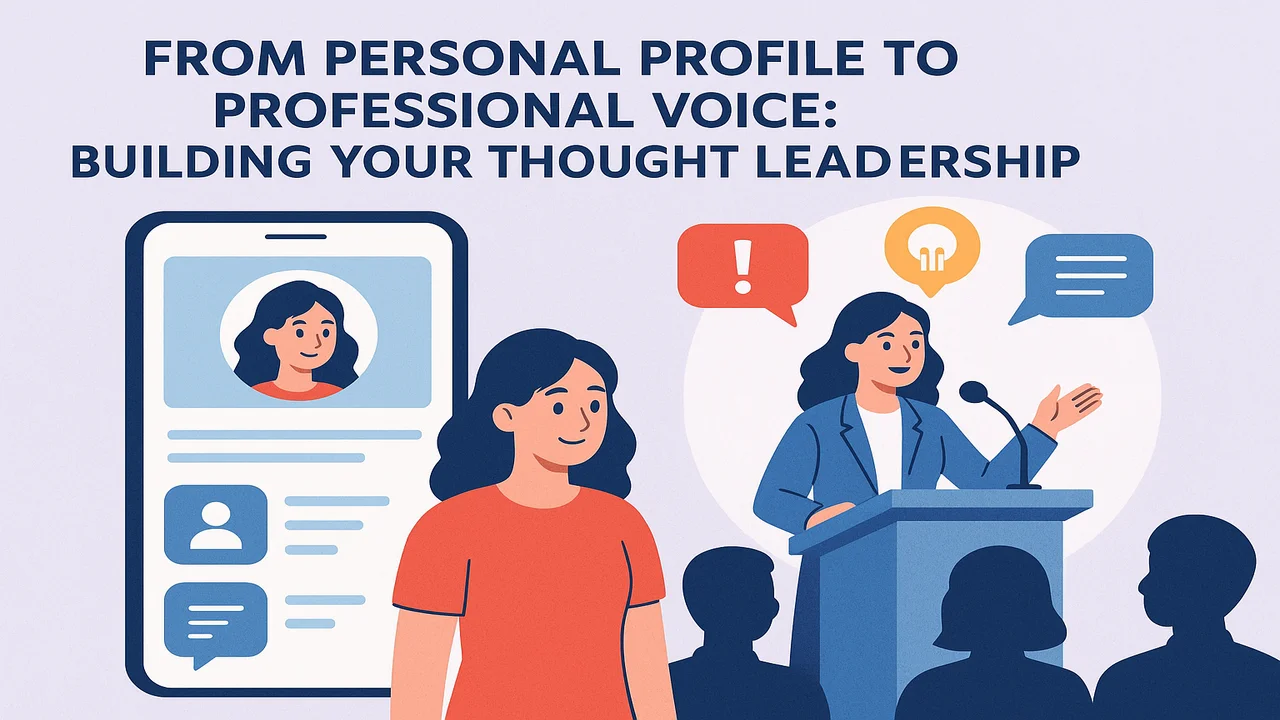
In a world where first impressions often happen on screens rather than in rooms, a personal profile is no longer just a biography; it’s a strategic tool. A strong profile shapes perception, communicates expertise, and sets the stage for thought leadership. The shift from casual self-description to professional authority doesn’t happen by accident. It requires clarity, intention, and consistency across every touchpoint.
This guide explores how to move from simply listing experiences to building a recognizable professional voice. Each section focuses on practical steps, mindset shifts, and positioning techniques that help transform a profile into a platform for influence.
Understanding the Shift from Bio to Brand
A typical personal profile lists qualifications, roles, and maybe a few achievements. A professional voice goes beyond that. It tells a story. It clarifies the purpose. It makes positioning obvious to the reader. A practical example can be seen about Mike Savage.
The difference lies in perspective. A basic bio answers the question, Who is this person? A professional profile answers what they stand for and why it matters.
A profile like the one linked above shows how positioning, clarity, and focus work together. The language is direct. The purpose is clear. The tone reflects confidence without unnecessary complexity. This isn’t accidental; this is a result of strategic messaging aligned with long-term goals.
Turning a profile into a thought leadership asset begins with understanding the audience. Every sentence should address a reader’s question or problem instead of simply listing credentials.
Define a Thought Leadership Focus
Thought leadership doesn’t happen by covering everything; it happens by owning something specific.
A strong professional voice is built around a central theme. That might be business strategy, leadership development, digital transformation, or personal growth. Without a defined focus, content becomes scattered. With focus, communication becomes memorable.
Start with three questions:
· What topics generate genuine interest?
· What problems can be solved better than most people?
· What subjects consistently appear across professional experiences?
The intersection of these answers reveals a natural domain of authority, and that domain becomes the foundation of thought leadership.
Once the theme is identified, everything should reinforce it. Profile headlines, summaries, social posts, and long-form content all work together. Repetition across channels builds recognition.
Crafting a Clear and Authentic Professional Story
Professional authority is strengthened by storytelling. Facts alone rarely inspire trust or engagement. A narrative gives the audience a reason to care.
A strong professional story includes these elements:
· Origin—Why this field or mission matters personally.
· Journey—What learning, challenges, or shifts shaped the perspective?
· Outcome—How does that experience benefit others today?
This story should be present within the personal profile, but not in a dramatic or exaggerated way. Authenticity matters more than theatrics. The goal is relatability combined with credibility.
A short narrative placed in the summary or about section adds depth. It helps readers connect beyond credentials and shows how experience translates into insight.
Aligning Visual Identity with Professional Voice
A professional voice isn’t built on text alone; visual presentation plays a key role in perception.
Profile photos, banner images, color choices, and typography create a silent impression. A clear, consistent visual identity reinforces professionalism and trust.
A professional profile image should reflect approachability and competence. No distracting backgrounds, no excessive filters. Just a clean, confident presentation.
Consistency across platforms matters. The same or similar photo, color palette, and style should appear on professional networks, personal websites, and communication materials. This visual continuity strengthens recognition.
When visual identity supports messaging, the professional voice feels cohesive rather than fragmented.
Positioning Language That Builds Authority
Language is one of the strongest tools in thought leadership. It shapes tone, clarity, and perception.
A professional profile should avoid vague phrases like passionate about success or driven professional. These statements say nothing concrete. Instead, clarity and specificity matter.
For example, replace general claims with precise positioning:
Instead of: Experienced business consultant.
Use: Business consultant focused on helping mid-sized companies improve operational efficiency and leadership alignment.
The second version communicates value. It answers who, what, and for whom.
Strong positioning language also avoids unnecessary jargon, simplicity increases credibility, a clear voice signals confidence and expertise.
Consistency Across Platforms and Content
A professional voice grows through repeated exposure across multiple channels. Consistency is essential.
Profiles on LinkedIn, personal websites, speaking bios, and guest articles should all reflect the same core message. Inconsistent messaging creates confusion.
Consistency doesn’t mean copying text word for word. It means aligning themes, tone, and focus. Each platform can adapt slightly based on its audience and format.
For example, a LinkedIn summary might be more direct and business-focused. A personal site might include more story and personality. Both should still express the same professional direction.
This strategic alignment strengthens recognition over time. People start associating a name with a specific topic or value.
Content as a Thought Leadership Engine
A professional profile introduces a voice. Content amplifies it.
Thought leadership is demonstrated through consistent sharing of insights. This can include articles, podcasts, videos, or social media posts. The format matters less than the value delivered.
Effective thought leadership content focuses on solving problems or offering new perspectives. It doesn’t focus on self-promotion. Value first. Recognition follows naturally.
Some content ideas include:
· Analysis of industry trends
· Personal lessons from professional challenges
· Frameworks and models that simplify complex ideas
· Case studies that show real-world application
Each piece of content reinforces authority. Over time, this builds trust and credibility within a specific community.
Building Credibility Through Social Proof
A profile supported by evidence carries more weight than one supported only by claims. Social proof can include testimonials, speaking engagements, certifications, publications, or media mentions. These elements don’t need to be excessive; they just need to be relevant and authentic.
Strategic placement of social proof within a profile can be highly effective. A short testimonial near a service description. A list of key speaking events or partnerships. A mention of reputable platforms where work has appeared. These signals confirm capability without needing to state it repeatedly. They let others validate expertise.
Developing a Recognizable Voice
Thought leadership requires not just what’s said but how it’s said. A recognizable voice includes tone, rhythm, and perspective. Some voices are calm and analytical. Others are bold and direct. Both can build authority if used consistently.
The key is authenticity. Trying to mimic others makes content feel forced. A natural tone builds trust. A recognizable voice also reflects values. If clarity, honesty, and impact matter, the voice should reflect those principles consistently.
This voice should carry across written content, video presentations, and spoken engagements. Over time, it becomes part of professional identity.
Engaging With Audience and Community
Thought leadership isn’t built in isolation; it grows through interaction. Engaging with comments, responding to messages, and participating in discussions builds relationships. It shows accessibility along with authority. Interaction also provides insight. Audience questions and feedback highlight what resonates and what needs refinement.
A professional voice evolves through dialogue, not just broadcasting. Listening matters as much as speaking.
Smart engagement also involves contributing to other people’s content. Offering thoughtful comments on industry posts helps visibility while adding value.
Evolving the Profile Over Time
A professional profile isn’t static. As experience grows, the profile should evolve.
Periodic audits help ensure alignment with current goals. Old achievements can be updated. New focus areas can be introduced. Language can be refined for clarity. This evolution signals growth and relevance. It prevents the profile from becoming outdated or disconnected from current work.
A good rhythm is a quarterly or biannual review. Check tone, focus, achievements, and positioning. Make adjustments as needed.
Overcoming Common Barriers to Thought Leadership
Many professionals hesitate to claim thought leadership because of self-doubt or fear of visibility. These concerns are natural but not permanent.
Common barriers include:
· Fear of criticism
· Belief in not being ready
· Difficulty finding a niche
· Uncertainty about content ideas
Each of these can be addressed through small, intentional steps. Instead of aiming for perfection, aim for progress. Start with shorter posts. Share insights in familiar spaces. Over time, confidence grows through action.
Thought leadership isn’t about knowing everything; it’s about offering value based on experience and perspective.
Measuring the Impact of a Strong Professional Voice
While influence isn’t always measurable in numbers, certain indicators can show growth.
These include:
· Increased profile views
· More engagement with content
· Invitations to speak or collaborate
· People referencing shared ideas
· New professional opportunities
These signals reflect expanding influence. They show that the professional voice is being heard and respected.
However, the most important measure is alignment. Does the profile and content reflect current goals and values? If yes, progress is happening.
Combining Strategy, Clarity, and Action
Building a professional voice requires intention. Strategy sets direction, clarity defines messaging, and action delivers results.
A profile designed with these elements becomes more than an online biography; it becomes a platform. This platform supports opportunities, connections, and influence. It communicates value before a single conversation takes place.
By defining focus, sharing authentic stories, delivering consistent content, and engaging with purpose, a personal profile transforms into a powerful thought leadership tool.
Final Thoughts on Building Authority
The journey from personal profile to professional voice doesn’t happen overnight; it’s a process of alignment and refinement. Every update, every article, every interaction builds momentum. Over time, a clear, credible presence forms across digital spaces. The result isn’t just visibility, but trust. Not just recognition, but influence.
A professional voice, when built with clarity and consistency, becomes an asset that works continuously, even when offline.

Doris Pollard, a mesmerizing wordsmith and experienced blogger, crafts narratives that carry readers into unexplored realms. Infused with insightful perspectives and vibrant storytelling, Doris’s mastery of language captivates both hearts and minds, making an enduring impression on the literary landscape.
888pgvip, I’ve seen that name around. Had a quick browse of 888pgvip. Seemed decent enough, nothing that really stood out. Probably worth registering to check the bonus offers. Good luck to all!
Okay, quick review for fk22bet. I was a little unsure at first, but the bonuses are solid and the games are fun. I messed up my deposit once but it was resolved promptly and professionally. Worth a visit. Find out more: fk22bet
76xgame popped up on my radar. Decent games, not too shabby at all. If you’re bored, give it a try. Here’s the link: 76xgame
Gotta love those lucky numbers! 777xk’s design is pretty sharp. Just hoping it translates to winning big time. Worth a peek, eh? Head over here: 777xk
Another night, another gamble. Going to try 66jl. What’s everyone opinion on it? Can’t hurt to try and make some real money: 66jl
Heard about 666jl from a buddy. Gave it a spin, and it’s actually pretty decent. Fast loading times, and the overall vibe is chill. Give it a go, maybe you’ll dig it too.
[9653]winbet Official Login | বিকাশ ডিপোজিট ও সেরা লাইভ ক্যাসিনো,winbet অ্যাপ ডাউনলোড করে সেরা লাইভ ক্যাসিনো গেমের অভিজ্ঞতা নিন। বিকাশ দিয়ে সহজে ডিপোজিট করুন এবং অনলাইন স্লট গেমের নিয়ম বুঝে আজই জয়েন করুন। visit: winbet
Simple, clean, and effective. No unnecessary fluff, just straight to the fun. It is my go-to spot for relaxing and playing some games at jl555.
I’ve tried a few sites lately but this one really stands out for its speed. The interface is super smooth and everything just works. Definitely my new go-to spot! Check out brgtwin
Finally found a platform that actually delivers on its promises. The bonuses are generous and the gameplay is addictive. Just visit 1777xsgame to start winning.